

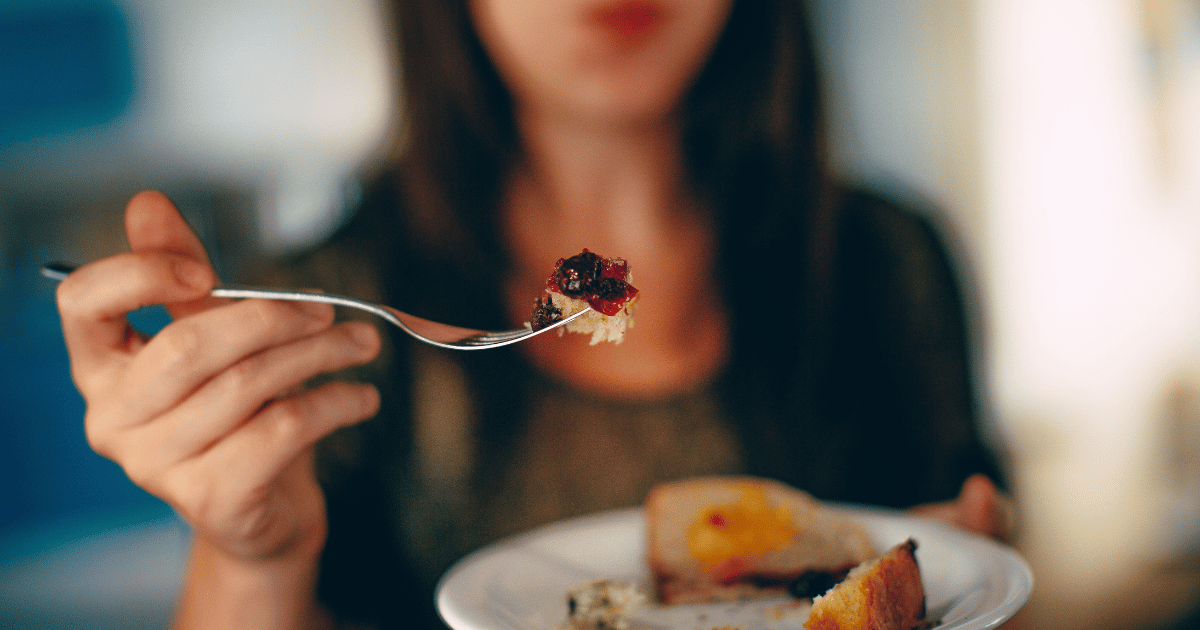
To eat like a food writer, you have to do more than eat just to satisfy your hunger.
Food writers eat to satisfy curiosity. And they ask questions. Why does it taste this way? Where did the ingredients come from? How was it prepared? What traditions influenced the dish? How does it compare to similar foods? What can I learn from it?
That’s the difference. Food writers look beyond whether they enjoy a dish. They become curious about how it was made, where it came from, and what it can teach them.
That doesn’t mean food writers enjoy food less. If anything, they often enjoy it more. The difference is that food writers pay attention. They notice details that many people overlook. They become curious about ingredients, techniques, aromas, textures, temperatures, and the stories behind what they’re eating.
Learning to eat like a food writer has very little to do with expertise and everything to do with attention. The good news is that attention can be learned.
Why Are You Eating?
Food writers eat with different goals in mind.
A recipe writer may repeatedly prepare cornbread, making small adjustments to the recipe each time. The goal is to understand how the recipe works and how to help readers successfully recreate it.
A restaurant reviewer approaches a meal differently. They may visit the same restaurant several times, ordering different dishes on each visit. They’re evaluating consistency, service, atmosphere, and the overall dining experience.
A food historian might focus on tradition and context. A travel writer may pay close attention to local ingredients and regional specialties.
The questions change depending on the assignment, but the habit remains the same. Food writers eat with purpose. They pay attention because they are trying to learn something that they can later share with their readers.
Build a Library of Experiences
Every meal becomes a point of comparison for future meals.
The more foods you try, the more useful those comparisons become. A writer who has tasted several varieties of apples notices different things than someone who has tasted only two or three.
A writer who has explored regional barbecue styles extensively can better understand the differences between them. Someone who has sampled dozens of teas develops a richer vocabulary than someone who has only a handful.
This is one reason food writers benefit from trying unfamiliar foods.
Every new ingredient, cuisine, restaurant, technique, or dish adds another reference point.
Food writers rarely evaluate a dish in isolation. They compare it to similar dishes they’ve eaten before. How does this barbecue compare to others? Is this croissant unusually buttery? Is this salsa milder than most versions? Comparisons help writers move beyond “I liked it” and toward more useful observations.
Over time, those experiences begin to connect. Patterns emerge. Similarities and differences become easier to recognize. Understanding deepens.
You don’t build that knowledge overnight. You build it one meal at a time.
Look Before You Taste
Most people begin evaluating food the moment it enters their mouths. Food writers often start much earlier.
When you enter a restaurant, note the overall smells. Does it smell like fresh bread? Coffee? Fried food? The atmosphere begins forming impressions before the menu even arrives.
Before taking a bite, spend a moment looking at the food. Do any colors stand out? How is the plate arranged? Does it look rustic or refined? Does it appear delicate or hearty, elegant or casual, messy or carefully constructed?
A bowl of gumbo tells a story before the first spoonful. So does a slice of pie, a loaf of bread, or a plate of tacos. Appearance isn’t everything, but it is part of the experience.
Slow Down
One of the simplest ways to eat like a food writer is to eat more slowly.
People often eat quickly. They eat while working, driving, scrolling through their phones, or thinking about the next thing on their schedule. By the time the plate is empty, they barely remember what they tasted.
Food writers can’t afford to do that. The first bite often tells only part of the story. A dish may seem sweet at first and reveal acidity a few moments later. A sauce may begin rich and finish smoky.
When you slow down, you give yourself time to notice those changes. A food writer isn’t simply consuming food. A food writer is observing it.
Pay Attention to Aroma
A surprising amount of what we call taste actually begins with smell.
Before taking a bite, notice the aromas coming from the food. Fresh bread may smell yeasty. A bowl of soup may release steam scented with herbs and vegetables. Coffee may carry notes of chocolate, nuts, fruit, or spice.
Sometimes aroma creates expectations. Sometimes it creates surprises. Either way, it’s worth paying attention.
Many beginning food writers focus entirely on taste and overlook one of the richest sources of description available to them.
Check below to download the Eat Like a Food Writer Tasting Worksheet here. No email required.
Notice What Happens First
The first bite provides useful information.
Is the food crunchy, creamy, or tender? Chewy or crispy? Flaky or smooth?
Does the flavor arrive immediately, or does it build gradually?
Think about biting into a piece of crispy fried chicken. You might first notice the crunchy coating. Then the seasoning. Then the tenderness of the meat. Each detail contributes to the overall experience.
Food rarely delivers all of its information at once.
Notice What Happens Next
Good food writing comes from paying attention to what follows the first bite.
A cup of tea may begin floral and finish earthy. A piece of dark chocolate may start bitter before revealing notes of fruit or coffee.
Many beginning food writers stop observing too soon. The most interesting details often emerge after the initial impression has passed.
Reset Your Palate
Food writers often compare multiple foods during the same meal, at a tasting event, or in a research session. When that happens, lingering flavors can become a problem.
Imagine tasting a spicy salsa and immediately following it with a delicate fish dish. The heat from the salsa may influence your perception of everything that follows. The same thing can happen with strong coffee, garlic, rich sauces, or highly acidic foods.
That’s one reason professional tastings usually include palate cleansers. Water is the most common choice. Plain bread, crackers, or other neutral foods may also help remove lingering flavors between samples.
You don’t need to turn every meal into a formal tasting. However, when you’re comparing dishes, evaluating products, or attending a tasting event, taking a moment to reset your palate will help you make more accurate observations.
One don’t for writers who are tasting food: don’t overload your fork. If you’re tasting a Thanksgiving dinner, don’t pile your fork high with a piece of turkey, some dressing, cranberry sauce, and gravy. You won’t be able to distinguish the individual elements.
Start by taking small bites of individual foods. Pay attention to each ingredient on its own. Then begin combining them to see how the flavors work together.
The goal is simple. You want each dish to have a chance to speak for itself before you evaluate how it contributes to the overall meal.
Think Beyond Flavor
Food writing is more than simply a description of taste.
Food exists within a larger context. Where are you eating? Who prepared the food? What’s the atmosphere like? What sounds fill the room?
A bowl of chili served at a football game creates a different experience than the same bowl served at a quiet dinner table. The food may be identical. But the experience isn’t.
Sometimes the room becomes part of the story. Sometimes the people become part of the story. And sometimes the history behind the dish becomes part of the story.
Bottom line: food doesn’t exist in isolation.
Ask Questions
Curiosity is one of the most valuable tools a food writer possesses.
Every meal presents an opportunity to learn something. The question is whether you take advantage of it.
If you’re eating at a restaurant, ask questions when appropriate. What inspired the dish? Why was a particular technique used? Where do the ingredients come from? A brief conversation with a chef, server, or owner can sometimes reveal details that never appear on the menu.
Curiosity doesn’t end when you leave the restaurant. When you’re cooking at home, ask yourself why a recipe works. What happens if you change an ingredient? Why does one technique produce a different result than another?
The same habit applies in grocery stores, farmers’ markets, and specialty shops. Ask how to tell when a fruit is ripe. Find out where an ingredient comes from. Learn why one variety is preferred over another.
Good food writers rarely stop at simple observation. They keep digging. Every answer often leads to another question, and every question creates another opportunity to learn.
Take Notes
Memory is nowhere near as reliable as most people think. A meal that seems unforgettable today may become surprisingly difficult to describe next week.
Never depend on memory alone to recall the details of a recipe you’re testing or a meal you’re reviewing.
Develop a habit of taking notes in a small notebook or on your phone. Your notes don’t need to be complicated. Write down a few flavor observations. Record interesting ingredients. Capture details about texture, aroma, temperature, presentation, or atmosphere. Be sure to note your reactions as well.
The goal isn’t to create a perfect record. It’s to preserve details that might otherwise disappear.
Eat Outside Your Comfort Zone
People have favorite foods. Food writers do too.
The difference is that food writers frequently benefit from choosing something unfamiliar.
Order a dish you’ve never tried. Visit a restaurant serving a cuisine you know little about. Buy an ingredient you’ve never cooked with before.
You don’t have to like everything you try. The goal is exposure. Every new food expands your understanding and gives you another point of reference for future writing.
Remember That Food Tells Stories
Beginning food writers sometimes focus so intensely on describing food that they forget why people care about food in the first place.
Food is connected to culture, history, geography, memory, celebration, family, religion, economics, and community.
A tamal is more than masa and filling. A loaf of sourdough is more than flour and water. And a bowl of ramen is more than noodles and broth.
The plate in front of you is often part of a much larger story. The deeper you look, the more connections you begin to see.
The Goal Isn’t to Become a Critic
Some people assume eating like a food writer means constantly judging food negatively. It doesn’t.
The goal isn’t only to find faults. Good food writers notice both the strengths and weaknesses of a dish. More importantly, they try to understand why the food succeeds or falls short.
The goal is to become more observant.
Pay attention to what you see, smell, taste, and experience. Ask questions. Stay curious. Take notes. Continue learning.
Over time, you’ll discover that the way you eat begins to change. Not because you’re becoming more critical, but because you’re becoming more aware.
And awareness is where good food writing begins.
Check our post A Food Writer’s Voice: Why You Need One and How to Get One.
