

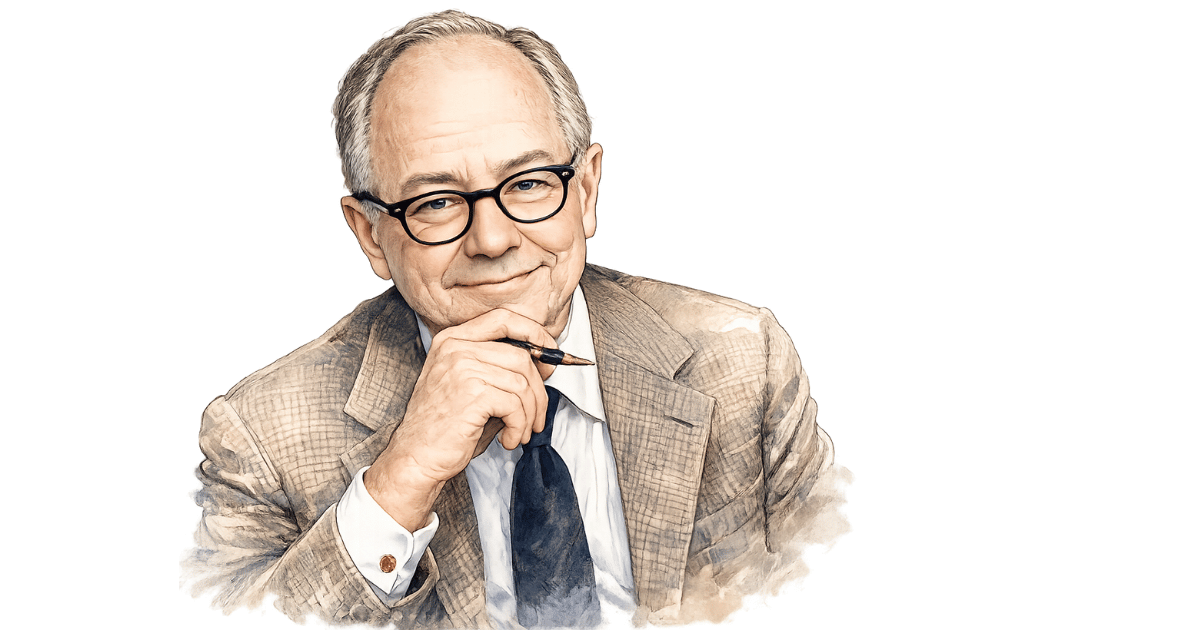
Long before celebrity chefs, food television, and social media influencers, Craig Claiborne was helping Americans think differently about food.
Today, restaurant reviews, cookbook coverage, chef profiles, and food sections are a familiar part of the media landscape. That wasn’t always the case. Food writing existed, but it was often treated as a lighter subject than politics, business, or world events.
Claiborne helped change that.
As the second food editor of The New York Times, he played a major role in elevating food journalism. He introduced readers to a broader world of ingredients, cuisines, restaurants, and culinary traditions.
His influence can still be seen in the way food is covered today.
For beginning food writers, his career offers an important reminder: learning never stops.
Who Was Craig Claiborne?
Craig Claiborne was born in Mississippi in 1920. His mother operated a boarding house, and food was an important part of daily life there. Meals brought people together. Hospitality mattered. Food was woven into the routines of family and community.
He studied journalism in college and later attended culinary school in Europe. That combination gave him something unusual for the time. He understood both writing and cooking.
When Claiborne joined The New York Times in 1957, he brought those skills together. He didn’t simply report on food. He studied it.
Over the years, he wrote newspaper columns, restaurant reviews, cookbooks, and articles. His writing helped shape how Americans thought about food.
Curiosity Was His Strength
One reason Claiborne remains important is that he approached food with genuine curiosity.
He traveled widely and paid attention to regional cuisines. He researched ingredients and explored traditions that were unfamiliar to many American readers.
Those habits may seem obvious today. They were much less common when Claiborne began his career.
He understood that food writing required more than opinions. It required observation, learning, and asking questions. Lots of questions.
That lesson still applies today. The best food writers remain curious long after they begin publishing.
Expertise Takes Time
Beginning food writers sometimes worry that they don’t know enough. That’s normal.
The truth is that expertise is built slowly. It develops through reading, interviewing, researching, tasting, cooking, and paying attention.
Claiborne’s career reflects that process.
He didn’t become knowledgeable overnight. He spent years studying food and expanding his understanding of the subject.
His food education includes years sitting in his mother’s kitchen, college-level writing classes, professional cooking school, and more years of cooking on his own. Beginning food writers might not have college-level writing classes or professional cooking school training, but most have years of experience as home cooks.
Claiborne found all his education equally helpful.
Food writers often focus on publication. Claiborne reminds us to focus on learning as well.
The more you learn, the more interesting questions you can ask. The more interesting questions you ask, the stronger your writing becomes.
Claiborne’s Books
One of the best ways to understand Craig Claiborne is to read his books.
He wrote several books that became a standard reference for home cooks and food enthusiasts.
The New York Times Cookbook was probably his most influential book and sold millions of copies. The New York Times International Cookbook reflected his interest in introducing readers to foods and cuisines from around the world. And Craig Claiborne’s Southern Cooking drew on his Southern roots and the foods he knew growing up.
He also wrote Craig Claiborne’s The New York Times Food Encyclopedia and Craig Claiborne’s Kitchen Primer.
He also wrote an autobiography, A Feast Made for Laughter. Readers expecting a lighthearted collection of food stories may be surprised. Claiborne was remarkably candid about his personal life, and some passages remain difficult to read even decades later.
Whether he was introducing readers to international cuisines, documenting Southern cooking, or explaining ingredients and techniques, he treated food as a subject worth studying.
His books include notes about the history of a dish, the development of recipes, kitchen techniques, and his memories of cooking and eating with friends. That information is frequently as interesting as the recipes.
Food writers sometimes focus exclusively on publishing new content. Claiborne’s books often included reprints of his newspaper articles and recipes. That reminds us of the value of building knowledge. The more you learn about food, the more you have to share with readers.
Look Beyond What You Already Know
Most food writers begin with familiar subjects.
They write about the foods they grew up eating, the restaurants they visit regularly, or the recipes they cook at home. That’s a natural place to start. Eventually, however, every writer encounters unfamiliar foods, ingredients, and traditions.
Claiborne embraced those opportunities. He treated unfamiliar cuisines as invitations to learn rather than obstacles to avoid. That mindset is valuable for any food writer.
You don’t have to become an expert in every cuisine. You simply need to remain open to learning from people whose experiences differ from your own.
Why Craig Claiborne Still Matters
Many beginning food writers have never read Craig Claiborne.
That’s understandable. Many of his books are difficult to find, and a large part of his work appeared as newspaper articles. Food media has changed dramatically since he began writing. Yet his influence remains.
Every time a writer interviews a chef or studies a regional cuisine, she’s imitating Claiborne. Simply treating food as a subject worthy of serious attention is working within a tradition that Claiborne helped build.
His career reminds us that food writing is about more than describing what’s on the plate.
It’s about curiosity, about learning, and about paying attention to the food, the people, the cultures, and places where food is created and eaten.
Most of all, it’s about recognizing that there is always more to discover.
That’s a lesson every food writer can use.
For more on Food Writers You Should Know, check out our article on M.F.K. Fisher.
