

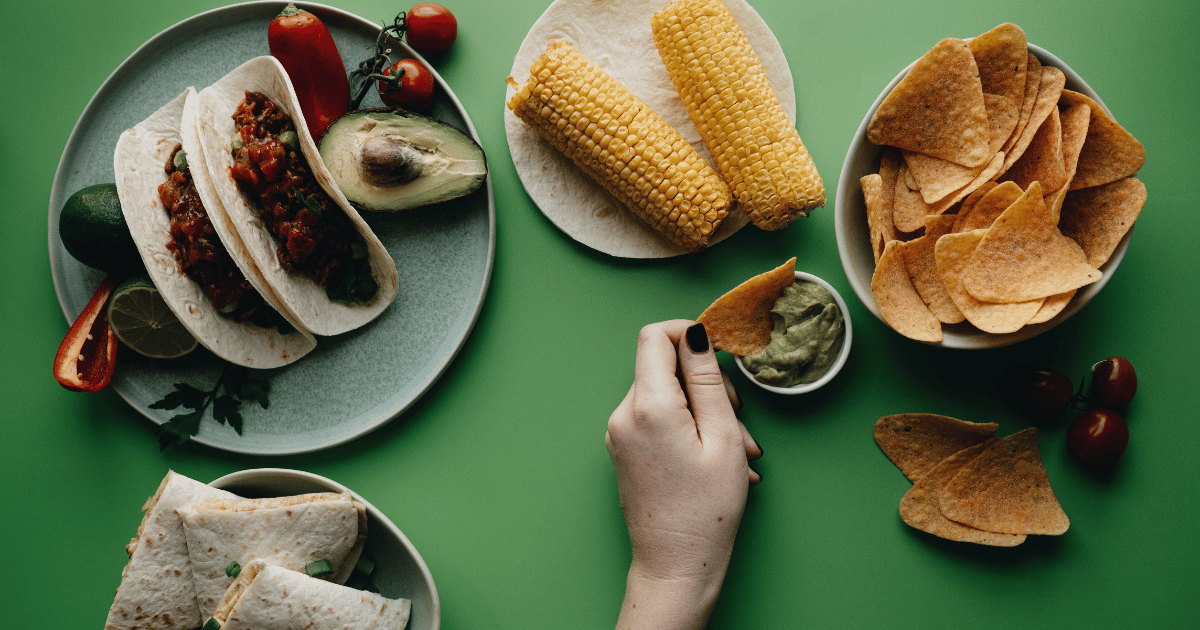
Mexican food is one of the world’s great culinary traditions.
It’s also far more diverse than many beginning food writers realize.
A plate of tacos may be the first thing that comes to mind when people think about Mexican food, but tacos represent only a small part of a much larger story. Mexican cuisine reflects centuries of history, regional traditions, Indigenous ingredients, migration, trade, religion, agriculture, and family cooking. Foods that are common in one region may be unfamiliar in another. Cooking techniques, ingredients, and flavors can vary dramatically from state to state.
That’s one reason food writers should approach the subject with curiosity and humility.
No glossary can fully explain Mexican food. A genuine understanding takes years of reading, tasting, traveling, listening, and learning. Even experienced food writers continue discovering new ingredients, dishes, and traditions.
Think of this glossary as a starting point rather than a destination.
The terms that follow will help you recognize some of the ingredients, dishes, techniques, and words you are likely to encounter while reading cookbooks, interviewing chefs, visiting restaurants, or researching Mexican cuisine. The goal isn’t to make you an expert. The goal is to give you enough familiarity to ask better questions and continue learning.
Continue Learning
The most important lesson is not memorizing definitions.
It’s recognizing how much there is to learn.
Every unfamiliar ingredient, dish, or technique is an opportunity to ask questions, conduct research, and deepen your understanding. The best food writers approach cuisines with curiosity rather than certainty or indifference.
This glossary is simply a place to begin.
Common Mexican Food Terms
Achiote
A seasoning made from annatto seeds and spices. Common in Yucatán cuisine and often used in marinades.
Adobo
A marinade or sauce often made with chiles, vinegar, herbs, and spices.
Aguas Frescas
Refreshing beverages made by blending fruit, seeds, flowers, or grains with water and sweetener.
Al Pastor
Marinated pork cooked on a vertical spit and typically served in tacos.
Barbacoa
Slow-cooked meat, often lamb, goat, or beef.
Birria
A rich, slow-cooked meat stew traditionally associated with the state of Jalisco.
Carnitas
Pork that is slowly cooked until tender, then crisped before serving.
Chile
The fruit of a pepper plant. Chiles appear in countless varieties and are used fresh, dried, smoked, stuffed, roasted, and ground.
Chicharrón
Crispy fried pork skin, though the term may refer to several related preparations.
Chilaquiles
A breakfast dish made from tortilla chips simmered in salsa and typically topped with cheese, crema, onions, or eggs.
Chipotle
A smoke-dried jalapeño pepper.
Cilantro
The leafy herb is commonly used in salsas, tacos, soups, and many other dishes.
Cotija
A firm, salty cheese often crumbled over tacos, salads, and corn dishes.
Crema
A cultured cream similar to sour cream but generally thinner and milder.
Elote
Corn on the cob commonly served with toppings such as mayonnaise, cheese, chile powder, and lime.
Enchilada
A tortilla filled, rolled, and covered with sauce.
Fajita
Grilled meat traditionally served with tortillas. The term originally referred to skirt steak but now includes chicken, shrimp, and other foods.
Guajillo
One of the most common dried chiles used in Mexican cooking. Guajillo chiles are moderately mild and known for their deep red color, fruity flavor, and subtle notes of berries, tea, and smoke. Frequently used in sauces, adobos, marinades, and moles.
Guisado
A stew or braised meat or vegetable dish.
Hominy
Corn kernels that have undergone nixtamalization. Hominy is a key ingredient in pozole.
Huitlacoche
A corn fungus sometimes called corn truffle. Considered a delicacy in many parts of Mexico.
Masa
Dough made from nixtamalized corn.
Mole
A complex sauce that may contain chiles, spices, nuts, seeds, fruit, and other ingredients. There are many different types of mole.
Nixtamalization
The process of treating corn with an alkaline solution before grinding it into masa.
Nopal
The edible paddle of the prickly pear cactus.
Oaxaca Cheese
A mild, semi-soft cheese known for its stringy texture and melting qualities.
Pico de Gallo
A fresh salsa typically made with tomatoes, onions, chiles, cilantro, and lime juice.
Poblano
A mild chile pepper often used in sauces and stuffed preparations.
Pozole
A traditional soup or stew made with hominy and meat.
Queso Fresco
A fresh, mild cheese commonly used as a garnish.
Refried Beans
Cooked beans, mashed and reheated, often served as a side dish.
Salsa
A sauce or condiment. While many people associate salsa with tomatoes, Mexican salsas may be made from tomatillos, chiles, fruit, seeds, nuts, or other ingredients. They can be cooked or uncooked, smooth or chunky, mild or extremely hot.
Salsa Verde
A green salsa typically made with tomatillos.
Serrano
A small, moderately hot green chile frequently used in salsas.
Taco
A tortilla folded or wrapped around a filling. Tacos vary widely by region, ingredients, and preparation.
Tamal
A preparation of masa filled with various ingredients, often wrapped in a dried corn husk, and steamed.
Tamarind
A tropical fruit with a sweet-sour flavor commonly used in candies, beverages, sauces, and marinades.
Taquería
A restaurant or food stand specializing in tacos.
Tinga
A dish often prepared with shredded meat cooked in a tomato and chipotle-based sauce.
Tomatillo
A small green fruit enclosed in a papery husk and commonly used in sauces.
Tortilla
A flatbread made from corn or wheat, depending on the region.
Tostada
A crisp fried or toasted tortilla served with various toppings.
Xnipec
A Yucatán condiment made with onions, citrus, and chiles.
Yucatán Cuisine
The distinctive cuisine of the Yucatán Peninsula, known for ingredients and techniques influenced by Indigenous Maya traditions.
Zacahuil
A large tamal associated with the Huasteca region and often prepared for celebrations.
